Choosing the right location can make a major difference in how many people notice a business sign. A well-designed sign can attract attention, communicate a message, and help people remember a business long after they pass by. Working with a professional sign company can also help businesses determine which placement strategies best match their goals, audience, and surroundings. While design and materials matter, even an excellent sign may have limited impact if it is placed where few people can see it.
Busy Roadways and Main Streets
Major roads are among the most valuable locations for signs because they expose businesses to a steady flow of drivers and passengers. Signs positioned along busy streets can introduce a company to people who may not have encountered it through other forms of advertising. Visibility becomes especially important when motorists have enough time to notice and read the message safely. Large lettering, simple graphics, and strong contrast can make roadside signs easier to recognize from a distance. Businesses located near intersections can benefit from the additional viewing time created when vehicles stop at traffic lights. Repeated exposure can also help reinforce a company’s name and services in the minds of commuters. For this reason, signs along frequently traveled routes can support long-term brand awareness.
Shopping Districts and Retail Areas
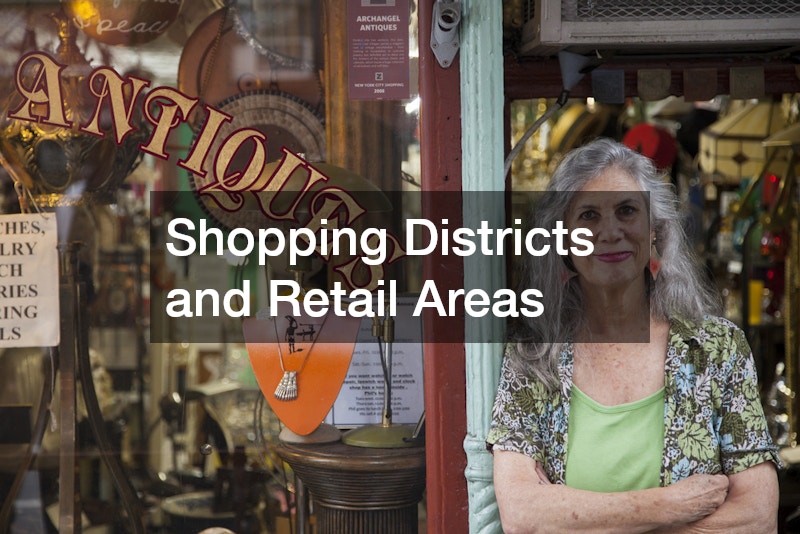
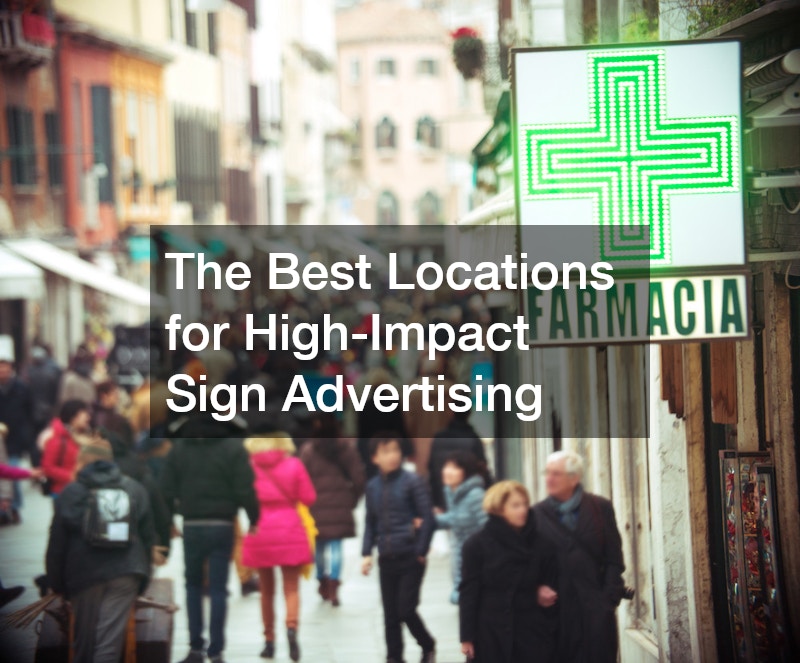
Shopping districts provide another useful setting for high-impact advertising because consumers are already focused on products, services, and businesses. A sign can help a storefront stand out among neighboring establishments and make it easier for customers to identify the location. Businesses can use exterior signs to communicate their name while secondary signs can highlight promotions, services, or special offerings. Placement near parking entrances can also help visitors recognize a business before they reach the storefront. Signs positioned near busy pedestrian areas may receive attention from people walking between stores and restaurants. Clear messaging is particularly useful in these environments because shoppers often make quick decisions about where to go. Strategic placement can therefore help businesses compete for attention without overwhelming customers with excessive information.
High-Traffic Intersections
Intersections can provide extended opportunities for visibility because vehicles often slow down or stop before continuing through the area. This gives drivers and passengers additional moments to recognize a sign and absorb a short message. Businesses near intersections can take advantage of this natural pause by using signage that is easy to read from multiple directions. Signs should generally communicate one primary idea rather than presenting a large amount of information. Location also matters because a sign facing the wrong direction may miss a significant portion of passing traffic. Businesses should consider sightlines, nearby buildings, landscaping, and traffic patterns before selecting a placement. A carefully positioned sign can become a familiar visual landmark for people who regularly travel through the intersection.
Near Complementary Businesses
Placing signage near businesses that serve a similar or complementary audience can create valuable exposure. For example, a fitness business may benefit from visibility near health-focused retailers, while a home service company could gain attention near home improvement stores. The goal is not necessarily to compete directly but to reach people who are already likely to need a particular product or service. This strategy can make advertising more relevant because the surrounding environment provides context for the message. Businesses should still consider local regulations and property permissions before placing signs in shared or nearby spaces. When the surrounding audience aligns with the company’s target customers, even a smaller sign can deliver meaningful exposure. Relevance can be just as important as sheer traffic volume when evaluating a location.
Near Entrances and Parking Areas
Entrances and parking areas are valuable because customers naturally look for directional information when arriving at a destination. A clearly positioned sign can help visitors find a business while simultaneously reinforcing its branding. Directional signs can be particularly useful for businesses located inside larger shopping centers, office complexes, or commercial developments. Signs near parking areas can also introduce services to people before they enter a building. Simple arrows, recognizable logos, and concise wording can make these signs functional as well as promotional. Placement should avoid blocking important traffic signs, pedestrian pathways, or visibility for drivers. When signage helps people navigate while also promoting the business, it can serve two purposes at once.
Visibility should always be considered when evaluating a potential sign location. A sign may receive substantial traffic but still perform poorly if trees, buildings, utility structures, or other signs block it. Strong sightlines allow people to notice a sign without having to search for it or strain to understand its message. Businesses should examine the location from different angles and at different times of day before making a final decision. Lighting can also affect visibility, particularly for signs intended to attract attention during evening hours. Keeping the message readable from an appropriate distance helps ensure that the sign performs its intended advertising role. Ultimately, the strongest location combines steady traffic, a relevant audience, clear visibility, and enough viewing time for people to recognize the message.