Running a local service enterprise can feel like riding an unpredictable financial roller coaster. One month, the phones ring off the hook, crews work overtime, and the bank account looks incredibly healthy. A few months later, the weather shifts, the phone stops ringing, and the steady stream of incoming revenue slows to a trickle while fixed expenses remain completely unchanged. This dramatic feast-or-famine cycle is a reality for countless specialized trade industries.
While generating revenue during peak season is a challenge most owners manage well, the true test of a company’s longevity is how it navigates the dry spells. Rapid growth often masks underlying cash flow deficiencies. When an enterprise expands its team, invests in marketing, or increases overhead during high-revenue months without a clear plan for the off-season, it falls into a dangerous growth trap.
1. Track Historical Financial Data to Predict Revenue Waves

The foundation of effective cash flow management lies in your historical data. You cannot plan for a seasonal decline if you do not know precisely when it begins, how long it lasts, and exactly how much it costs your business to survive each month. Far too many owners manage their operations by looking solely at their current bank balance, which provides a lagging indicator of financial health rather than a forward-looking roadmap.
To break this cycle, you must look back at three to five years of your profit and loss statements. Pinpoint the exact week that incoming sales typically begin to taper off and note the historical duration of your annual slump. This allows you to calculate your true monthly burn rate, which is the absolute baseline amount of cash required to keep your business operational when sales are zero. Your burn rate includes fixed costs like commercial rent, insurance, office salaries, and software subscriptions.
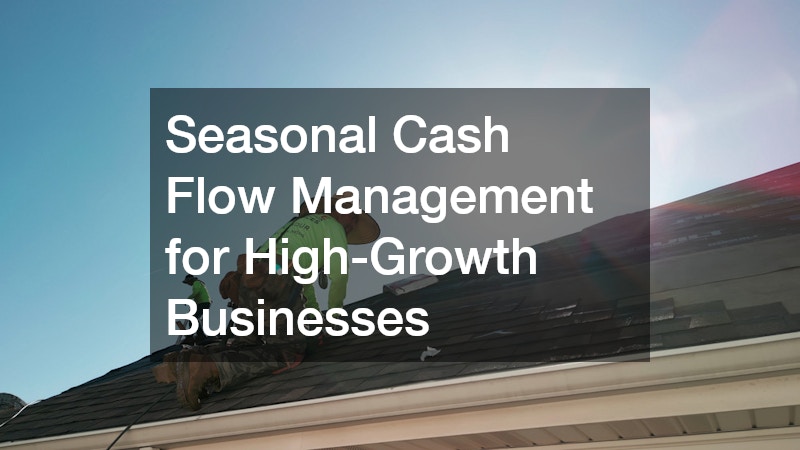
Understanding these cycles changes how you view a highly profitable summer or winter. Highly weather-dependent organizations must save aggressively during peak quarters to fund operations through freezing winters. For example, successful roofing businesses must capitalize heavily on dry, clear summer months, intentionally setting aside a specific percentage of every contract to cover basic overhead through the snowy season. Conversely, a towing business might experience its highest call volume and greatest revenue spikes during hazardous winter weather, requiring those owners to hoard cash during quiet summer months to maintain fleet readiness for the next big freeze.
2. Diversify Services to Bridge Seasonal Revenue Gaps
When primary service demand drops, letting your skilled workforce go or allowing expensive equipment to sit idle destroys profitability. Recruiting and training new field staff every single year is incredibly expensive and dampens service quality. A more sustainable approach is diversifying your service offerings to create secondary revenue streams that naturally peak during your primary off-season.
Look for services that utilize your existing equipment, require a similar skill set, and target a comparable customer demographic. Cross-training your crew during shoulder months ensures they remain productive year-round, which increases employee retention and stabilizes your monthly revenue baseline.
Consider how outdoor maintenance companies can successfully pivot when the climate changes. A local tree care business or other specialized tree businesses can easily transition their climbing, hauling, and chainsaw crews to commercial snow removal or municipal holiday light installation when tree trimming demand slows down in the dead of winter. By leveraging a workforce that is already comfortable working in extreme weather and operating heavy machinery, these companies maintain a steady cash inflow and keep their best workers on the payroll year-round.
3. Optimize Heavy Equipment and Fleet Expenditures
Asset-heavy service companies frequently run into cash flow trouble by mismanaging capital expenditures. It is incredibly tempting to purchase a shiny new piece of machinery during a flush month when cash feels abundant. However, buying equipment without calculating its twelve-month return on investment can severely drain your liquidity right before a seasonal downturn.
Every equipment acquisition should be evaluated based on its year-round utilization rate. If a machine will sit idle for four months out of the year, financing it with strict monthly payments can choke your cash reserves during the off-season. Consider renting specialized equipment for short-term projects instead, passing that rental cost directly onto the client, or look into leasing options that offer flexible, seasonal payment structures.
Furthermore, use your slow season strategically to conduct extensive preventative maintenance on your primary fleet. An excavating business must time its major machinery overhauls and heavy diesel repairs during the frozen ground months when active job sites are scarce. Similarly, a recreational or niche fleet operator like a golf cart business needs to map out strict fleet lifecycle plans, utilizing the slower winter months to refurbish older inventory and sell it off before the spring rush, injecting quick liquid cash back into the company.
4. Align Purchasing Schedules with Demand Realities

Inventory and supply chain management require a delicate balancing act when revenue fluctuates. Tying up large sums of liquid cash in bulk materials right before a projected seasonal slowdown is a recipe for a cash crunch. On the flip side, running out of essential supplies during your busiest week can halt production and ruin client relationships.
The key is establishing strong relationships with vendors and negotiating flexible payment terms. Strive to secure net-sixty or net-ninety terms with your suppliers so that your inventory delivery aligns perfectly with your actual customer payment cycles. When suppliers understand your seasonal business model, many are willing to offer deferred billing options or bulk discounts that apply across a calendar year rather than requiring a massive upfront payment.
Look at how high-volume energy and logistics providers handle their supply chains to maximize liquidity. High-performing propane companies must perfectly time their bulk fuel buys months before winter demand hits its absolute peak, ensuring they secure favorable wholesale pricing without draining their operating accounts too early. Managing a successful propane business requires a precise balance of keeping storage tanks filled to meet sudden cold snaps while maintaining enough liquid cash to navigate the quieter shoulder months of spring and summer.
5. Leverage Professional Guidance for Long-Term Forecasting
Navigating complex financial forecasting entirely on your own is a massive burden for an active business owner. When you are focused on daily operations, managing crews, and handling customer satisfaction, it is incredibly easy to lose sight of the macroeconomic picture and the long-term financial health of your enterprise.
Professional guidance shifts your leadership style from reactive firefighting to proactive, strategic planning. An outside perspective helps you see blind spots in your pricing, identifies inefficiencies in your labor costs, and provides accountability to ensure you actually save cash during profitable months. They help you build a rolling twelve-month cash flow forecast that predicts cash shortages before they happen, giving you time to secure lines of credit while your financial statements still look excellent.
Partnering with an experienced business coach can help an owner transition from a technician who owns a job to a CEO who scales a scalable system. Furthermore, building a year-round relationship with a dedicated tax prep business ensures that your quarterly estimated taxes are calculated accurately based on seasonal fluctuations, protecting you from massive unexpected penalties or cash surprises when it comes time to file with the government.
6. Implement Flexible Staffing and Compensation Models
Labor is almost always the largest line item on a service company’s profit and loss statement. Keeping a massive full-time crew on salary during months with low sales volume will erode your cash reserves at an alarming rate. To survive seasonal fluctuations, your labor model must possess inherent flexibility.
One effective strategy is utilizing a core team of year-round, highly skilled supervisors supplemented by seasonal, independent contractors or temporary laborers during peak months. This keeps your fixed payroll manageable while allowing you to scale capacity quickly when demand spikes.
Another option is implementing creative compensation structures, such as performance-based bonuses tied to seasonal profitability or offering a guaranteed base salary paired with high commissions during peak times. Some trade companies even utilize annualized hours contracts, where employees receive a consistent, predictable paycheck every single week of the year but work longer hours in the summer and shorter hours in the winter, effectively smoothing out their personal income while stabilizing the company’s labor expenses.
7. Establish Flexible Lines of Credit Before You Need Them

The worst possible time to apply for a bank loan or a commercial line of credit is when your bank account is empty, and you are struggling to make payroll. Traditional lenders look closely at your current cash balance and recent revenue trends; if you apply during the depths of your seasonal slump, your application will likely be denied or saddled with exorbitant interest rates.
Secure an open, revolving line of credit during your peak season when your financial statements look incredibly strong. Treat this credit line strictly as an emergency safety net, not as a source of free capital to fund permanent overhead expansion.
Having access to short-term capital allows you to cover unexpected expenses, fund inventory prep for the upcoming busy season, and maintain operational continuity without stress. The goal is to draw down on the line of credit only when absolutely necessary during the leanest weeks of the year, and then pay it off entirely within the first thirty days of your peak season return.
8. Structuralize Client Payments with Modern Retainers
Relying entirely on single, transactional project fees makes cash flow highly volatile. If a major project gets delayed by weather or a client delays paying a milestone invoice, your entire operational budget can instantly fall apart. Transforming your business model to include recurring revenue provides an invaluable financial cushion.
Look for ways to convert standard services into ongoing maintenance agreements, service retainers, or subscription packages. For example, instead of charging commercial clients for individual visits, offer a comprehensive year-round property maintenance contract billed in twelve equal monthly installments.
This model provides clients with predictable budgeting and guarantees priority service when they need it most. For your business, it creates a reliable, baseline stream of incoming cash that hits your bank account every single month, regardless of weather conditions or seasonal demand drops, drastically reducing your dependence on peak-season spikes.
9. Optimize Your Accounts Receivable Process
Slow-paying clients can cripple a seasonal business faster than a drop in sales volume. When your active revenue window is short, you cannot afford to wait forty-five or sixty days to collect payments for work you have already completed. You must build an aggressive, streamlined accounts receivable process that accelerates cash collection.
Start by requiring upfront deposits for all major projects to cover material costs and initial labor before a crew ever sets foot on a job site. Implement clear payment milestones for longer jobs, and make it incredibly easy for customers to pay you by accepting digital payments, credit cards, and mobile bank transfers directly on the job site.
Automate your invoicing software to send immediate reminders the day an invoice becomes overdue, and establish strict, clear penalties for late payments in your initial contracts. The faster you convert completed work into liquid cash, the stronger your cash reserves will be when operations inevitably slow down.
10. Cut the Fat and Audit Fixed Expenses Annually

During peak season, it is easy to ignore minor, unnecessary expenses because the total revenue coming in easily covers the waste. However, those small, unexamined costs pile up and quickly become a massive financial burden when your monthly sales revenue drops toward zero.
Dedicate one week during your shoulder season to conduct a thorough, line-by-line financial audit of every dollar leaving your company. Review all recurring software subscriptions, insurance policies, fuel cards, and vendor contracts to see where you can trim waste or renegotiate better rates.
Cancel unused tools, consolidate cellular plans for your field crews, and challenge your team to find more cost-effective ways to operate without sacrificing service quality. Reducing your fixed overhead by even a small percentage lowers your monthly burn rate, meaning you need significantly less cash to survive the slow months safely.
Managing seasonal cash flow is an ongoing discipline that separates struggling trade contractors from highly profitable, sustainable enterprises. Seasonal fluctuations do not have to be a source of chronic stress or operational instability. By shifting your approach from reactive survival to proactive, data-driven planning, you can transform the slow season from a financial threat into a powerful competitive advantage.
Use your historical data to map out your financial calendar accurately, build out flexible staffing models, and diversify your services to keep your crews productive year-round. Establish your safety nets, optimize your invoicing, and leverage professional advisors long before the slow season arrives. With the right financial systems in place, your business will maintain a stable, resilient cash cushion that fuels consistent, healthy growth through every single season of the year.