Starting a business can be both exciting and challenging, especially in an industry that directly impacts people’s health, safety, and comfort. The pest control industry has seen consistent demand over the years, with homeowners and businesses seeking effective solutions to keep unwanted pests at bay. If you’re considering entering this field, it’s important to understand what it takes to succeed and what opportunities and challenges exist.
Why the Pest Control Industry Is Attractive
Pest infestations are a persistent problem, which makes the demand for professional services relatively stable. From ants and cockroaches to rodents and termites, homeowners and businesses often need reliable help to manage pests.
This creates a consistent market for those willing to start a pest control business.
Another advantage is flexibility. Starting your own company allows you to control your schedule, expand services as you grow, and build relationships with clients in your community. Many people entering this field are attracted by the potential for long-term growth and the ability to make a tangible difference in people’s lives by protecting their homes and workplaces.
Understanding the Market
Before launching a pest control business, it’s essential to research your local market. Understand the types of pests most common in your area, the level of competition, and what clients expect in terms of services and pricing. Many established pest control companies offer a range of services, from residential treatments to commercial contracts. Knowing the standard in your region will help you identify gaps you can fill and the unique value your business can provide.
Necessary Skills and Qualifications
Operating a pest control business requires more than just enthusiasm. Knowledge of pest biology, safe handling of chemicals, and integrated pest management techniques is crucial. Most regions also require licensing or certification to apply pesticides, so you’ll need to meet regulatory requirements.
In addition to technical expertise, business skills are equally important. Running a successful business means handling finances, marketing your services, managing staff, and maintaining strong customer relationships. Those who combine technical knowledge with solid business skills are more likely to thrive in this competitive industry.
Startup Costs and Equipment
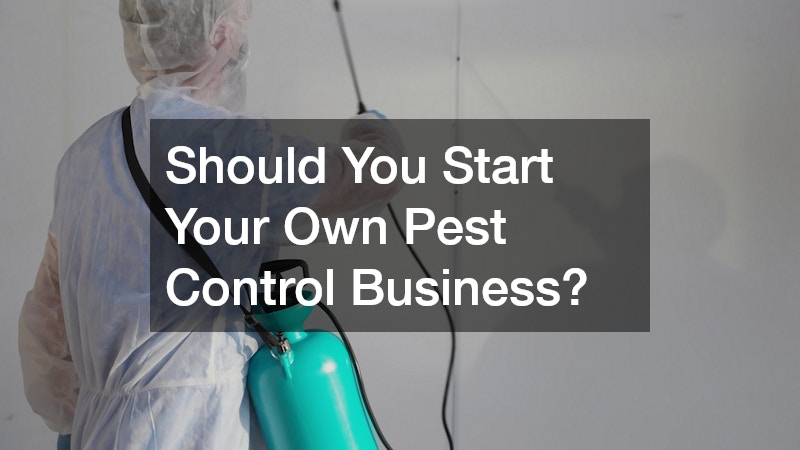
Starting a pest control business involves an upfront investment. Essential equipment includes sprayers, protective gear, traps, and vehicles for transporting tools and chemicals. You’ll also need office supplies, marketing materials, and liability insurance. While costs vary depending on location and scale, having a clear budget helps you plan and avoid financial strain.
Unlike some service industries, pest control also requires ongoing investment in training and safety updates. Chemicals and treatment methods evolve, and staying up-to-date ensures both effectiveness and compliance with regulations.
Marketing and Building a Client Base
A strong marketing strategy is essential for a new pest control business. Local advertising, online presence, and word-of-mouth referrals can all contribute to building a steady client base. Many successful companies focus on creating trust and demonstrating expertise, which is especially important in an industry where safety and reliability are top priorities.
Offering specialized services, such as termite inspections, bed bug treatments, or eco-friendly solutions, can differentiate your business from competitors. Networking with property managers, real estate agents, and local businesses can also generate recurring contracts and long-term clients.
Challenges to Consider
Like any business, pest control comes with challenges. Seasonal fluctuations in demand may affect cash flow, and some clients may delay treatment until problems escalate. Competition from established pest control companies can also be intense, so offering superior service or specialized solutions is critical.
Additionally, working with chemicals and handling pests involves safety risks. Proper training, protective equipment, and adherence to safety standards are essential to protect both employees and clients. Without careful planning and attention to detail, mistakes can be costly.
Advantages of Starting Your Own Business
Despite the challenges, owning your own pest control business has several benefits. You have the freedom to set your hours, choose your clients, and expand your services as you see fit. Profit potential is significant, especially as you establish a reputation and develop recurring contracts. Many business owners also find personal satisfaction in providing solutions that improve clients’ quality of life.
Moreover, a strong focus on customer service, eco-friendly practices, or niche markets can help you stand out from larger pest control companies, creating a loyal client base and positive word-of-mouth advertising.
Starting a pest control business can be rewarding for those willing to put in the effort, planning, and investment required. The industry offers consistent demand and opportunities to build a reputable, profitable business. Understanding your market, obtaining proper certifications, investing in training, and prioritizing customer satisfaction are key to success.
While competition from established pest control companies exists, there is still room for innovative, reliable, and customer-focused services. With careful planning and dedication, starting your own pest control business can not only provide financial benefits but also allow you to make a positive impact on your community by helping people maintain safe, pest-free homes and businesses.